The world of online entertainment has changed faster than most people expected. Not long ago, gaming meant sitting in front of a console or computer for a few hours. Today, things have shifted into something far more dynamic, interactive, and mobile-driven. One of the most interesting trends is how driving-related games and simulation experiences are merging with digital platforms. Among these evolving formats, the concept of a slot system has started to appear in different ways inside automotive-style gaming environments, especially where users engage in reward-based or progression-based driving challenges.
Many players now look for experiences slot that feel more than just visual entertainment. They want interaction, progression, and a sense of achievement. That is where modern platforms introduce systems similar to a slot mechanism, where users unlock vehicles, upgrades, or new challenges through structured gameplay rewards. It creates anticipation, engagement, and a continuous reason to return.
What makes this shift interesting is how it connects gaming psychology with driving simulation. Instead of simple racing, users experience layered progress systems. In many cases, a slot feature is used as a reward gateway. Players complete tasks, races, or missions and then get access to a randomized reward system that could include upgrades, vehicles, or special tracks. This adds unpredictability and excitement, which keeps users engaged for longer sessions.
In traditional driving games, progression was linear. You complete a race, you earn points, and you move forward. But modern systems have changed that approach. Developers now integrate mechanics similar to a slot structure, where outcomes are not fully predictable. This makes the experience feel more alive and less repetitive. It also introduces a level of strategy, as players decide when and how to use their earned opportunities.
One major reason behind this shift is user behavior. People today are used to fast feedback loops. Whether it is social media or mobile apps, everything is designed to deliver instant results. Gaming platforms adapted to this by introducing reward systems that mimic a slot style progression. The idea is simple: small actions lead to potentially bigger rewards, keeping motivation high.
There is also a psychological layer involved. When players interact with a system that includes randomness, like a slot mechanism, it triggers curiosity and anticipation. Even if the reward is small, the uncertainty creates engagement. This is why many driving and automotive-themed platforms have started integrating such systems into their design.

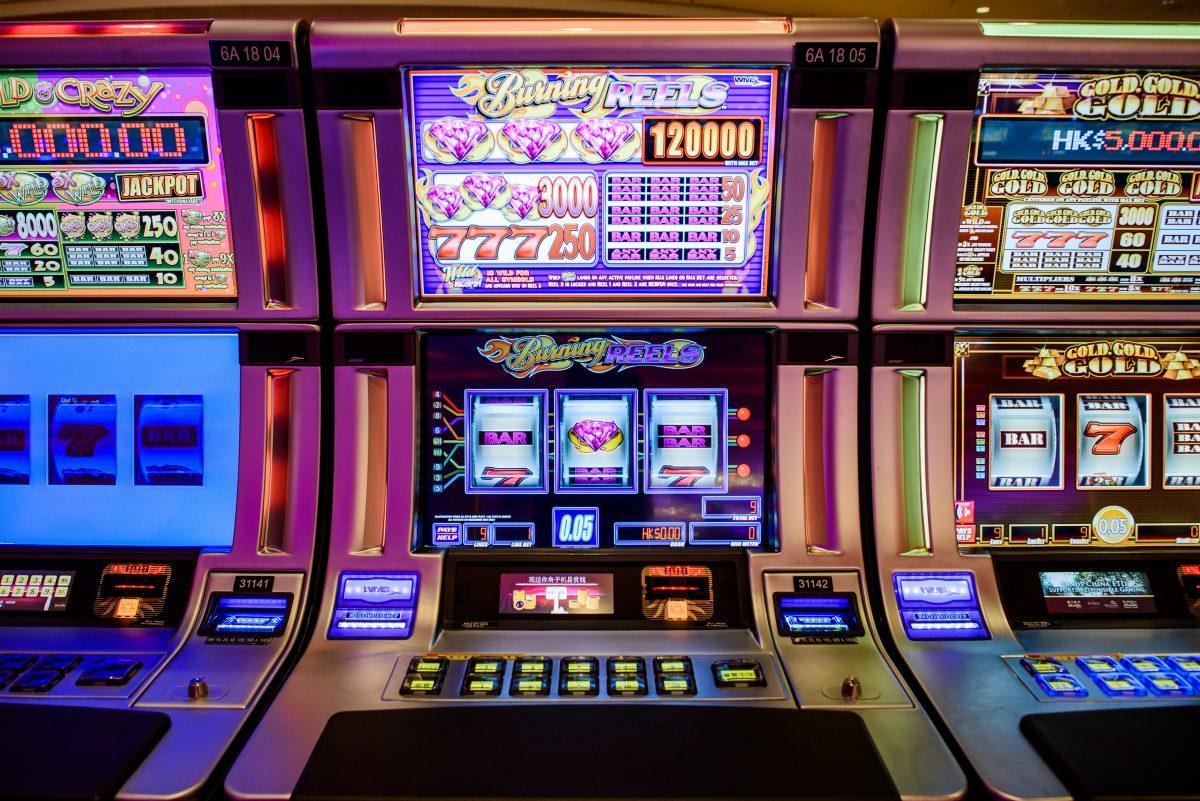
Another important aspect is accessibility. Not every user has the time or skill to compete in highly competitive racing environments. A mahjong structured slot-based reward system allows casual players to still enjoy progression without needing professional-level skills. This opens the door to a much larger audience.
From a development perspective, integrating such systems requires balance. If a slot feature becomes too random or unfair, users may lose interest. On the other hand, if it becomes too predictable, the excitement disappears. Developers constantly test different reward ratios, engagement cycles, and difficulty levels to find the right balance.
In real-world examples, several gaming platforms have experimented with hybrid models. For instance, some racing apps combine mission-based driving with daily reward systems that function similarly to a slot mechanic. Players complete short challenges and then receive randomized rewards that help them upgrade vehicles or unlock new tracks. This keeps the ecosystem active and prevents stagnation.
However, not everyone agrees with this direction. Some critics argue that introducing too much randomness reduces skill-based competition. They believe driving games should focus more on precision and control rather than reward-based unpredictability. Others counter this argument by saying that the modern gaming audience prefers variety and surprise over strict competition.
Interestingly, user feedback often supports hybrid systems. Players enjoy the structure of racing combined with the excitement of a slot reward feature. It provides both control and surprise, which is a powerful combination in entertainment design.
From a technical angle, building such systems involves careful algorithm design. Developers need to ensure fairness while maintaining unpredictability. The slot mechanism is usually powered by random number generators combined with probability weighting. This ensures that rewards remain balanced over time while still feeling spontaneous.
Another factor to consider is monetization. Many platforms use optional purchases to enhance the slot experience. However, successful systems do not rely entirely on paid mechanics. Instead, they focus on rewarding consistent engagement, ensuring that free users still feel included.
Looking ahead, the integration of automotive simulation and reward-based systems is expected to grow. With advancements in AI and cloud gaming, the slot experience may become even more personalized. Future systems could adapt rewards based on user behavior, driving style, or performance history.
This evolution shows how gaming is no longer just about playing. It is about experience design, psychology, and long-term engagement. The blend of driving simulation with interactive reward systems is just one example of how digital situs judi bola entertainment continues to evolve.
What started as simple racing games has now become a complex ecosystem of progression, strategy, and unpredictability. And at the center of many of these systems is the evolving use of the slot concept, shaping how users interact with digital driving worlds.
As technology continues to grow, one thing is clear: the line between entertainment and engagement will keep blurring, and systems like these will only become more refined, immersive, and personalized.